Greetings, fellow mythology lovers! We are about to embark on an epic quest--a journey through the story of Odysseus, a mortal beloved by Athena, and his long travel home from Troy. We will encounter vicious monsters, magic spells, the wrath of gods, and the temptation of beautiful women. Will Odysseus ever make it home to his dear Penelope in one piece? There's only one way to find out: let's dive into Homer's The Odyssey!
Because this is such a long and convoluted story, I'm going to tell it in parts--and the tale itself is structured kind of episodically anyway--and it'll be more of an abridged version. The epic poem is attributed to a blind wandering poet named Homer (all Greek myths began as oral traditions, which is why there are varying accounts of them), who also wrote The Iliad--The Odyssey is, in fact, the sequel to The Iliad, which recounts the tale of the Trojan War.
I hope you enjoy our retelling of this tale--peppered with romance, adventure, and daring heroism--though of course, I am no Homer, and I do recommend reading at least parts of the real Odyssey yourself (most translations are easier to read than Shakespeare or Beowulf, while still preserving some pretty poetic language).
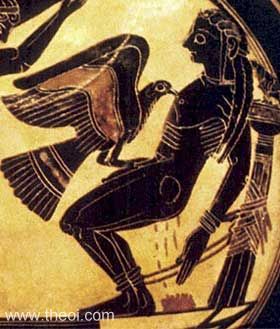
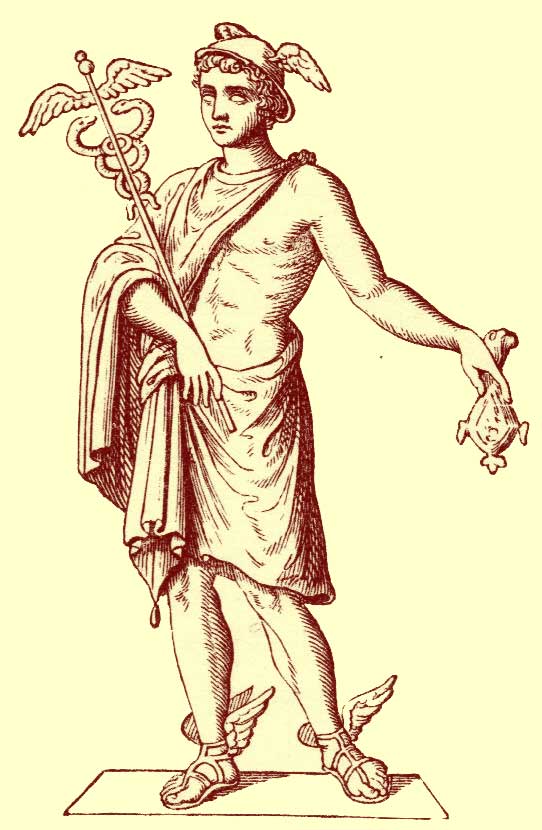
Our story begins on a peaceful island in the Mediterranean called Ogygia (oh-JEE-jee-uh). The pristine beach was of white sand; the sparkling sea was empty as far as the eye could see. A beautiful Nereid named Calypso, who had soft eyes and a kind face, was singing softly and tending to her garden beside the cave she lived in. Suddenly, looking up, she saw something flying across the horizon, skimming the clear water, towards her little island. Was it a bird? No. Shading her eyes, she realized it was the god Hermes, come to visit her.
She smiled and welcomed him to her home, offering him ambrosia and nectar after his long journey from Olympus, happy to see a friendly face. Calypso, being a Titan's daughter, was banished to this island, and--idyllic and peaceful as it was--she was lonely.
Hermes, however, was not there for a social call, but had a message for her from Zeus.
"Zeus knows that you keep Odysseus here, Calypso, and he sent me to tell you that you must let him go."
Calypso, flushing, insisted that she had never prevented Odysseus from leaving if he wanted to, that he was not a prisoner. Hermes sympathized with her loneliness--Calypso had such a softness to her that it was difficult not to feel sorry for her--but reiterated that Odysseus had a journey to complete, and a family to return to, a family that believed him to be dead.
Calypso thought back to the day that a handsome but battered-looking man had washed up on the shore of her island. His ship was destroyed, and his crew lost at sea, and she had nursed him back to health. He was remarkably clever, and a fearless soldier who had clearly endured many trials--things he did not speak of, and she dared not ask him about. She had not expected, however, to fall in love with him. Though it was true that she had never forced Odysseus to stay with her, she feared the day that he would gather enough resolve to leave her. Every night, he would succumb to her charms and lie with her--and every morning, weep with remorse and regret. This had gone on for seven years.
She knew, however, that no matter how attracted to her Odysseus might be, he pined for his home and his family more. Every so often, he would seem to look right past her and see her instead: Penelope, his wife. Calpyso sighed. She knew it was Penelope that Odysseus truly loved and belonged to.
Hermes seemed to understand the conclusion she had come to. "If you truly love him, Calypso," he said, "you will let him go. It is not his destiny to be with you forever."
Reluctantly, with tears in her eyes, she agreed. With her magic, she created a raft that would see Odysseus safely to dry land. She knew that once he left this island, he could never find it again--but that was as it should be. Assured that Calpyso was resolved on following Zeus's command, Hermes left.
Odysseus left Ogygia with a conflicted heart, sailing towards the vast horizon not knowing when or where he might alight. But, though Calpyso watched him go from the shore, he did not look back.
Where will Odysseus land? How did he come to be so far from home, with no ship or crew? Tune in next time for the second installment of...THE ODYSSEY.
Because this is such a long and convoluted story, I'm going to tell it in parts--and the tale itself is structured kind of episodically anyway--and it'll be more of an abridged version. The epic poem is attributed to a blind wandering poet named Homer (all Greek myths began as oral traditions, which is why there are varying accounts of them), who also wrote The Iliad--The Odyssey is, in fact, the sequel to The Iliad, which recounts the tale of the Trojan War.
I hope you enjoy our retelling of this tale--peppered with romance, adventure, and daring heroism--though of course, I am no Homer, and I do recommend reading at least parts of the real Odyssey yourself (most translations are easier to read than Shakespeare or Beowulf, while still preserving some pretty poetic language).
Our story begins on a peaceful island in the Mediterranean called Ogygia (oh-JEE-jee-uh). The pristine beach was of white sand; the sparkling sea was empty as far as the eye could see. A beautiful Nereid named Calypso, who had soft eyes and a kind face, was singing softly and tending to her garden beside the cave she lived in. Suddenly, looking up, she saw something flying across the horizon, skimming the clear water, towards her little island. Was it a bird? No. Shading her eyes, she realized it was the god Hermes, come to visit her.
She smiled and welcomed him to her home, offering him ambrosia and nectar after his long journey from Olympus, happy to see a friendly face. Calypso, being a Titan's daughter, was banished to this island, and--idyllic and peaceful as it was--she was lonely.
Hermes, however, was not there for a social call, but had a message for her from Zeus.
"Zeus knows that you keep Odysseus here, Calypso, and he sent me to tell you that you must let him go."
Calypso, flushing, insisted that she had never prevented Odysseus from leaving if he wanted to, that he was not a prisoner. Hermes sympathized with her loneliness--Calypso had such a softness to her that it was difficult not to feel sorry for her--but reiterated that Odysseus had a journey to complete, and a family to return to, a family that believed him to be dead.
Calypso thought back to the day that a handsome but battered-looking man had washed up on the shore of her island. His ship was destroyed, and his crew lost at sea, and she had nursed him back to health. He was remarkably clever, and a fearless soldier who had clearly endured many trials--things he did not speak of, and she dared not ask him about. She had not expected, however, to fall in love with him. Though it was true that she had never forced Odysseus to stay with her, she feared the day that he would gather enough resolve to leave her. Every night, he would succumb to her charms and lie with her--and every morning, weep with remorse and regret. This had gone on for seven years.
She knew, however, that no matter how attracted to her Odysseus might be, he pined for his home and his family more. Every so often, he would seem to look right past her and see her instead: Penelope, his wife. Calpyso sighed. She knew it was Penelope that Odysseus truly loved and belonged to.
Hermes seemed to understand the conclusion she had come to. "If you truly love him, Calypso," he said, "you will let him go. It is not his destiny to be with you forever."
Reluctantly, with tears in her eyes, she agreed. With her magic, she created a raft that would see Odysseus safely to dry land. She knew that once he left this island, he could never find it again--but that was as it should be. Assured that Calpyso was resolved on following Zeus's command, Hermes left.
Odysseus left Ogygia with a conflicted heart, sailing towards the vast horizon not knowing when or where he might alight. But, though Calpyso watched him go from the shore, he did not look back.
Where will Odysseus land? How did he come to be so far from home, with no ship or crew? Tune in next time for the second installment of...THE ODYSSEY.